

Considering abortion?
We can
help you
understand
the risk.

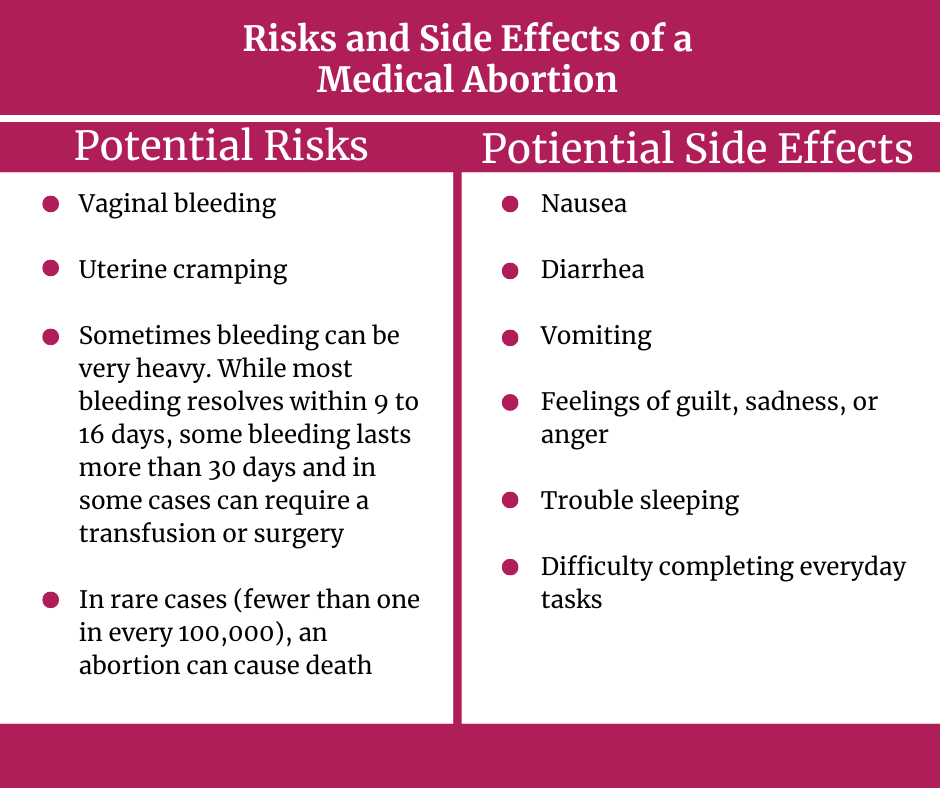
The abortion pill, also known as a medical abortion or medication abortion, is actually two pills. The first pill contains mifepristone and inhibits progesterone, a hormone necessary for a viable pregnancy. The second pill contains misoprostol and initiates contractions, causing the body to force the embryo out of the uterus and end the pregnancy. There is a great risk in taking abortion medications without knowing the age (gestational date) and location (uterus?) of the pregnancy. An ultrasound will show if a woman is having a miscarriage, in which case no decisions or medications would be necessary. Source: https://www.liveaction.org/what-is-abortion
What is the abortion pill?
Abortion Pill Reversal (APR) is a medical treatment intended to counteract the effects of the first abortion pill called mifepristone. If—after taking just the first pill—a woman decides she does not want the abortion, she can be prescribed progesterone with the hope of saving the pregnancy. The goal is to start the protocol within 24 hours of taking the first abortion pill. However, there have been many successful reversals when treatment was started within 72 hours of taking the first abortion pill. Connect 24/7 with a trusted medical professional nearby who can help with Abortion Pill Reversal via the APR hotline at (877) 558-0333.
Source: https://www.abortionpillreversal.com/
What is Abortion Pill Reversal?
-
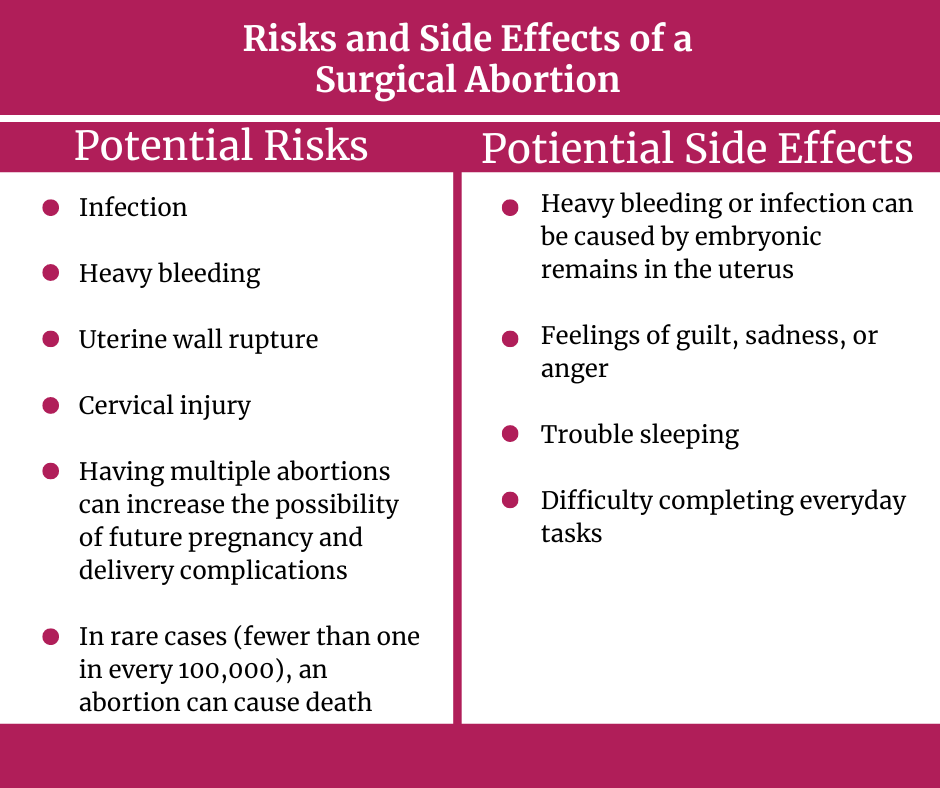
Generally used in the first trimester of pregnancy, a suction aspiration abortion is performed by using metal rods to open the cervix, inserting a plastic tube connected to a suction, and sucking the embryo out of the uterus.
Source: https://www.liveaction.org/what-is-abortion -
Generally performed during the second trimester, a dilation and evacuation abortion, or D&E abortion, begins by dilating the cervix either through medication or by inserting expanding sticks into the opening of the cervix. Once the cervix is open, the abortion provider will use forceps or another device to remove the embryo and the placenta.
Patients often experience pain during a dilation and evacuation abortion.
Source: https://www.liveaction.org/what-is-abortion
What are the different types of surgical abortion procedures?

I know my decision regarding abortion. Why do I need an ultrasound?
Verifying you have a viable pregnancy is necessary when making an abortion plan. Ultrasound is the best way to confirm your pregnancy is in your uterus and that it is developing normally. If your pregnancy is not viable you will need to seek alternative medical treatment.
Our licensed medical staff will perform a free urine pregnancy test and ultrasound, give you pregnancy dating and viability confirmation, and give you information on surgical abortion and abortion pill procedures, side effects, and risks.

As with all medical procedures, there is significant information to understand about medical and surgical abortions. You should familiarize yourself with abortion procedures as well as potential risks and side effects so you can make an informed decision for yourself. AWPC does not perform or refer for abortion.